Diethylstilboestrol exposure and testicular cancer

International Journal of Epidemiology, 1989

Abstract

The postulated association between exposure to diethylstilboestrol (DES) in utero and testicular cancer is an attractive hypothesis—especially since exposure to DES and the subsequent development of vaginal cancer has been established as cause and effect.

The cases (A case-control study of testicular cancer using Connecticut tumour registry data) were patients diagnosed between 1945 and 1980 as having testicular cancer, and born between 1945 and 1972.

As the authors acknowledged, other studies are needed to conclusively answer the question of whether DES is a causal factor in the aetiology of testicular cancer.

References

  • Diethylstilboestrol exposure and testicular cancer, International Journal of Epidemiology, NCBI PubMed, PMID: 2767864, 1989.
  • Featured image Gabriel.
DES DIETHYLSTILBESTROL RESOURCES

Azoospermia in DES-treated male progeny

Infertility in a patient with abnormal spermatogenesis and in utero DES exposure, 1988

Abstract

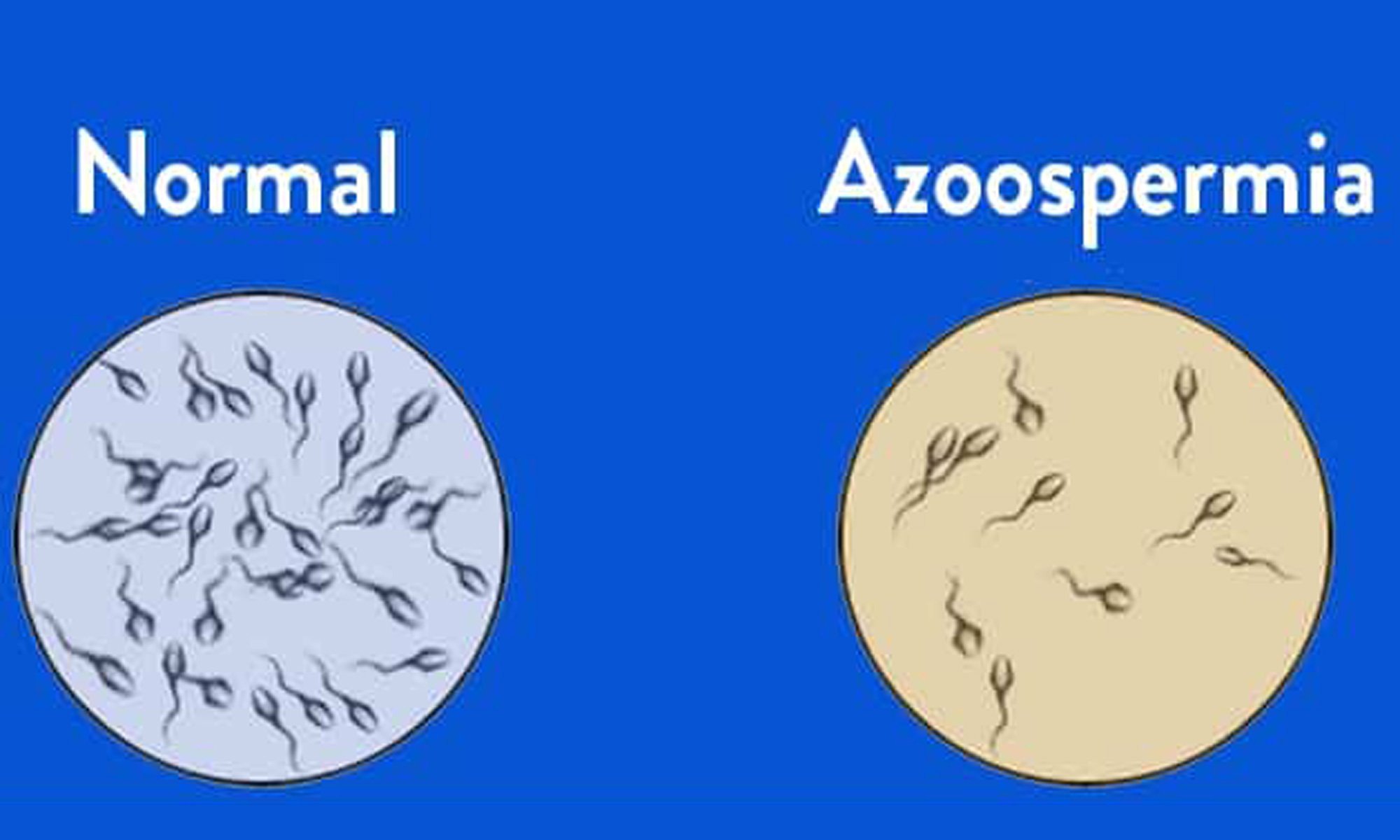
A young azoospermic patient is described whose spermatogenesis reflected an abnormality of meiosis.

A diagnosis of asynapsis of chromosomes during early spermatogenesis was made by cytogenetic examination of a testicular biopsy. Standard histologic examination gave no indication of this abnormality.

An incidental history of intrauterine diethylstilbesterol (DES) exposure of the patient was elicited. Attention is called to the dearth of cytogenetic studies of spermatogenesis in DES-treated male progeny and the usefulness in general of meiotic cytogenetic studies for obtaining accurate diagnoses in human infertility.

References

  • Infertility in a patient with abnormal spermatogenesis and in utero DES exposure, International journal of fertility, NCBI PubMed, PMID: 2899562, 1988.
  • Featured image credit wecareindia.
DES DIETHYLSTILBESTROL RESOURCES

Epidemiological studies of the effects of diethylstilboestrol

International Agency for Research on Cancer scientific publications, 1989

Study Abstract

Herbst and his colleagues first showed in 1971 that girls born to mothers who had taken diethylstilboestrol (DES) during pregnancy were at an increased risk of clear-cell adenocarcinoma of the vagina and cervix. At first it was feared that these girls would have a high probability of developing clear-cell carcinomas, but the latest report from the Registry for Research on Hormonal Transplacental Carcinogenesis of the University of Chicago puts the risk at only 1 per 1000 of those exposed, from birth through to age 34. On this basis, Herbst and his colleagues have suggested that DES is not a complete carcinogen, but that some other factor is involved in the pathogenesis of clear-cell carcinoma of the vagina and cervix. Women exposed in utero to DES have a high prevalence of vaginal adenosis and tend, therefore, to have an extensive transformation zone on the cervix and in the vagina. There is considerable controversy as to whether or not such women are at increased risk for vaginal and cervical intraepithelial neoplasia. The latest findings from the Study of the Incidence and Natural History of Genital Tract Anomalies and Cancer in Offspring Exposed in Utero to Synthetic Estrogens (the DESAD project) are, however, worrying; during follow-up, vaginal and cervical intraepithelial neoplasia occurred at a rate of 15.7/1000 woman-years in the exposed and at a rate of 7.9/1000 woman-years in the controls (p = 0.01).

There is some evidence that exposure in utero to exogenous oestrogens increases the risk of testicular cancer in males. The findings, however, are not conclusive, and the effect does not seem to be specific to DES and related nonsteroidal oestrogens.

References

  • Lesions of testis and epididymis associated with prenatal diethylstilbestrol exposure, Environmental Health Perspectives, NCBI PubMed, PMC1474522, 1988 Apr.
  • Featured image @IARCWHO.
DES DIETHYLSTILBESTROL RESOURCES

Prenatal DES and lesions of testis and epididymis

Lesions of testis and epididymis associated with prenatal diethylstilbestrol exposure, 1988

Study Abstracts

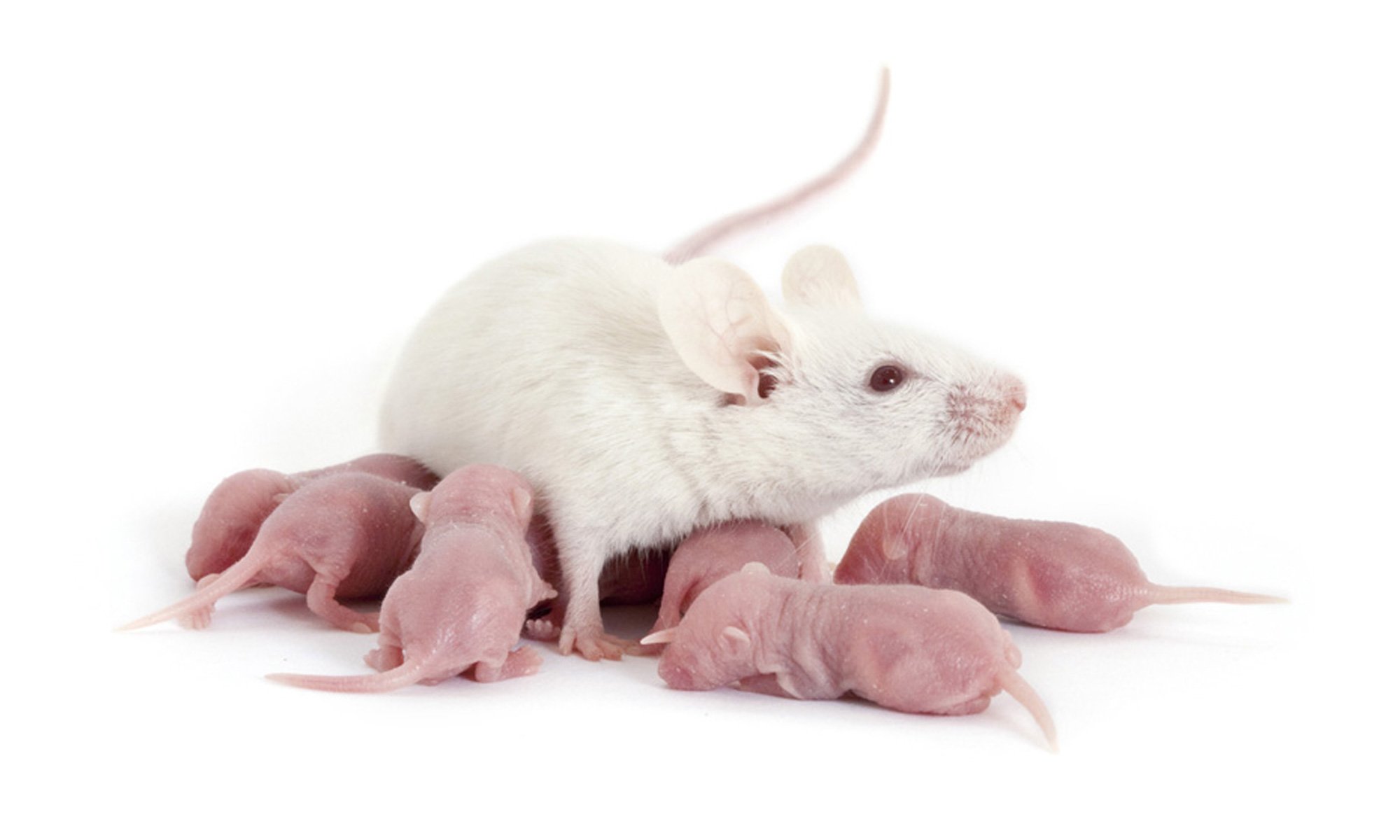
Cryptorchidism and retention of Mullerian duct structures occur with high frequency among the male offspring of CD-1 mice treated with 100 ,ug diethylstilbestrol/kg body weight on days 9 through 16 of pregnancy. Hyperplasia of the rete testis and Mullerian duct structures were found in many of the DES treated male mice, as was a low but significant number of reproductive tract neoplasms.

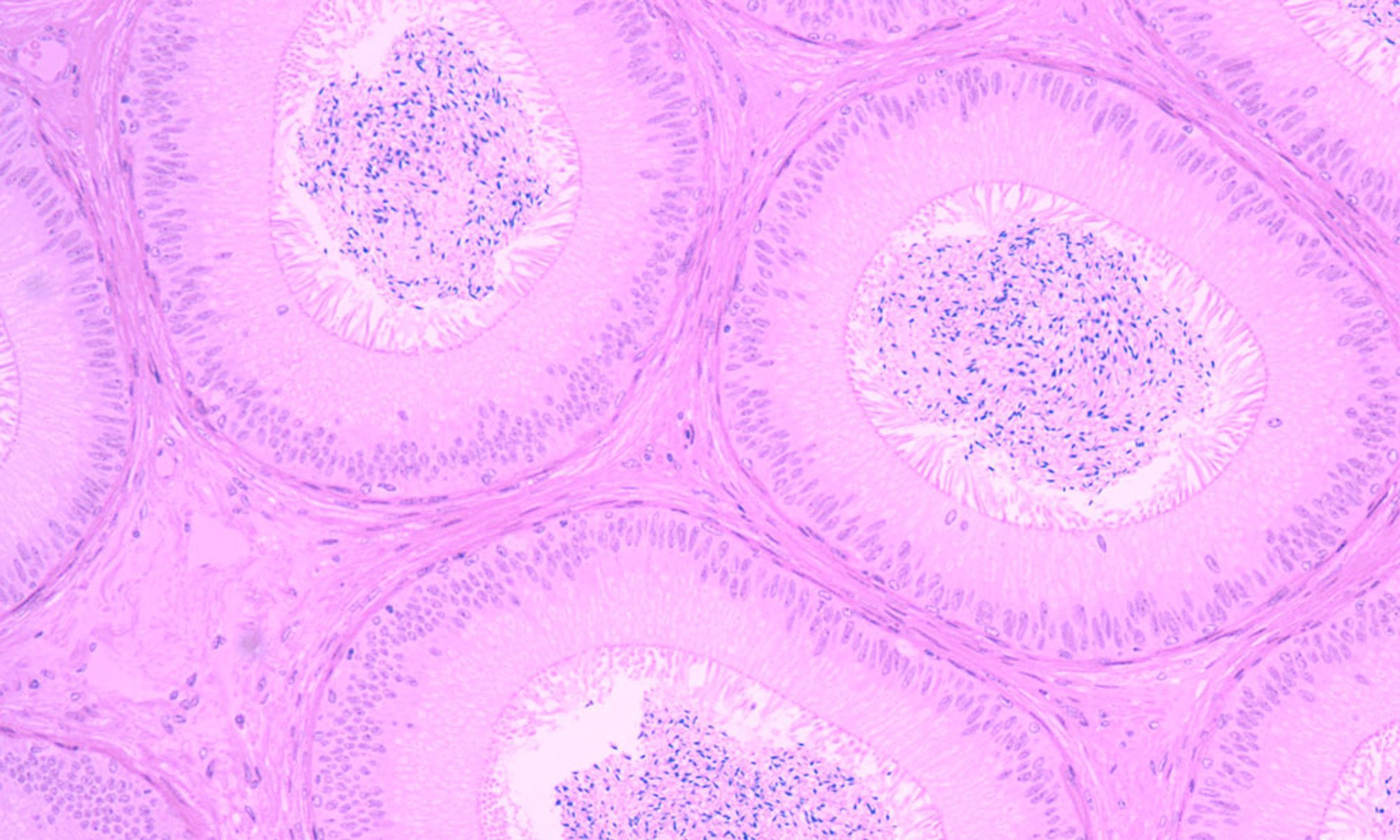
In addition to the statistically significant increase in hyperplasia in DES-treated animals, neoplasms of the rete testis occurred in 11 of 233 mice (5%). These lesions had the morphological features of human rete testis adenocarcinomas, usually being papillary, but sometimes with tubular or sertoliform appearing areas.

In summary, the occurrence of several types of rare neoplasms in the male offspring of mice that received DES during pregnancy suggests that although the neoplasms are expressed later in life, interference with normal development at an early stage may be necessary for their development.

References

  • Lesions of testis and epididymis associated with prenatal diethylstilbestrol exposure, Environmental Health Perspectives, NCBI PubMed, PMC1474522, 1988 Apr.
  • Epididymis featured image med.yale.
DES DIETHYLSTILBESTROL RESOURCES

The effects in the human of diethylstilbestrol (DES) use during pregnancy

An update, 1987

Abstract

(DES Daughters) Intrauterine diethylstilbestrol (DES) exposure is associated with an increased risk for the development of clear cell adenocarcinoma (CCA) of the vagina and cervix. The age of the patients at diagnosis has varied from 7-35 years with the highest frequency from 14-22 years. The risk among the exposed, however, is small and is of the order of 1 per 1,000. Almost all of the cases occur in postmenarchal females. Other factors that may increase the risk are maternal history of prior miscarriage, exposure to DES in early gestation, a fall season of birth and prematurity. The occurrence of CCA has paralleled the sales of DES for pregnancy support in the U.S. Both vaginal adenosis (benign glands in the vagina) and CCA are more frequent among those whose mothers began DES in early pregnancy. An increased risk of squamous cell neoplasia has been hypothesized but not proven. The changes that occur in the female genital tract of the DES exposed appear to result from alterations in the development of the mullerian ducts.

Currently there is not definitive evidence for an elevated risk of cancer among DES mothers or DES sons but studies have suggested a possible increase of breast cancer in the former group and testicular cancer in the latter group; a valid association has not been established in either.

References

  • The effects in the human of diethylstilbestrol (DES) use during pregnancy, NCBI PubMed, PMID: 3506546, 1987.
  • Featured image Mathieu Bigard.
DES DIETHYLSTILBESTROL RESOURCES

Testicular tumors in mice exposed in utero to diethylstilbestrol

It has been suggested that prenatal DES exposure is associated with development of testicular cancer in humans

Study Abstract, 1987

Treatment of pregnant women with diethylstilbestrol (DES) is associated with the subsequent development of reproductive tract abnormalities such as epididymal cysts, retained hypotrophic testes and sperm abnormalities in their male offspring. It recently has been suggested that prenatal DES exposure is associated with development of testicular seminoma in humans. Studies of in utero exposure of laboratory animals to DES are few, but previous reports from our laboratory have described several abnormalities in the reproductive tract of the mouse following prenatal DES exposure.

To study the possible association of testicular tumors and prenatal DES exposure in mice, pregnant outbred CD-1 mice were injected subcutaneously with daily doses of DES (100 micrograms./kg.) on days nine through 16 of gestation. DES-exposed and age-matched control male mice were sacrificed at 10 to 18 months of age and examined for testicular lesions.

In addition to the nonmalignant abnormalities reported in previous studies such as 91% cryptorchidism and degenerative changes, interstitial cell tumors were observed in nine mice among 277 mice treated prenatally with DES. Two of these lesions were benign tumors and five were interstitial cell carcinomas. Rete testis adenocarcinoma was seen also in 5% of these DES-treated animals and is described in another report. The overall incidence of testicular tumors is 8% in DES-exposed male mice. No comparable lesions were seen in 122 control male mice.

These results suggest that the testicular lesions that can occur following prenatal DES exposure include neoplasia. The combined prevalence of DES-induced tumors of the corpus testis and rete testis in mice suggests the male offspring may be more at risk for developing carcinoma of the reproductive tract than the female offspring.

References

DES DIETHYLSTILBESTROL RESOURCES

Diethylstilbestrol in pregnancy: an update

Canadian Medical Association journal, 1982

Abstract

The problems associated with the use of diethylstilbestrol (DES) during pregnancy concern both female and male children exposed in utero and the mothers themselves.

Strong epidemiological evidence has linked clear-cell adenocarcinoma of the vagina in young women to maternal ingestion of DES during the 1st 18 weeks of pregnancy. Benign abnormalities of the genital tract have also occurred in daughters of women exposed during pregnancy.

3 data sources have been particularly important for continued assessment of DES:

  • the 1951 University of Chicago double-blind study following controls, treated women, and offspring;
  • the National Cooperative Diethylstilbestrol Adenosis (DESAD) project which collects information on thousands of women exposed in utero,
  • and the Registry of Clear-Cell Adenocarcinoma (Mesonephroma) of the Genital Tract in Young Females.

The risk of clear-cell adenocarcinoma of the vagina and cervix in this group for ages 14 through 24 is estimated to be .14-1.4/1000 females exposed in utero. The risk is highest when exposure was early in intrauterine life. Peak incidence of tumors is between 17-21 years, rarely appearing before the age of 14. Concern over an increase in squamous cell dysplasia was raised, however a Massachusetts General Hospital study showed the prevalence of dysplasia was 2.1% and the incidence .85/1000 women years of follow-up. Benign abnormalities of the genital tract are common among this group and include: vaginal adenosis and structural abnormalities such as cervical hoods, ridges, and T-shaped uterus. The structural abnormalites may predispose to problems with reproduction; the incidence of complications after the 20th week of pregnancy, premature delivery, and perinatal death were found to be significantly increased. Results are conflicting concerning the impact of DES exposure on fertility.

Males exposed to DES in utero may have an increased frequency of anatomic and functional changes including epididymal cyst, hypoplasia of the testes, induration of the testicular capsule and impairment of spermatogenesis, sperm maturation, and accessory gland secretion.

The data are inconclusive concerning the incidence of breast cancer for women who took DES during pregnancy.

The psychological impact on the mothers who took DES and on the exposed offspring is another important consideration.

References

  • Diethylstilbestrol in pregnancy: an update, Canadian Medical Association journal, NCBI PubMed, PMID: 7139494, 1982.
  • Featured image credit Daniil Kuželev.
DES DIETHYLSTILBESTROL RESOURCES

Screening of adolescents exposed to diethylstilbestrol in utero

Pediatric clinics of North America, 1981

Abstract

Potential carcinogenesis in DES-exposed males needs to be evaluated, but no evidence exists to date which causally relates in utero exposure to DES to carcinogenesis in men.

The question of carcinogenesis in human males following exposure to DES in utero has been raised for several reasons:

  1. the vaginal adenosis and carcinoma in the human female exposed to DES in utero,
  2. the various neoplasms in experimental animals exposed to DES in utero,
  3. the anecdotal case reports of testicular carcinoma in adult males following exposure to DES in utero,
  4. and the general concern about abnormal exposure to sex hormones and carcinogenesis in the sex organs.

The following specific factors need to be considered in adult men who have been exposed to DES in utero:

  1. the increased incidence of carcinoma in hypoplastic testes, with or without antecedent cryptorchidism,
  2. the prostatic utricle, which is the mullerian duct remnant that is homologous to the female vagina, and which has been found to be the site of endometrial carcinoma in older men,
  3. and the natural history of prostatic adenocarcinoma, which occurs largely in the seventh and eighth decades of life and may be related to changes in the hormonal environment.

However, it should be strongly emphasized that at present no published controlled studies demonstrate a relationship in the human male between exposure to DES in utero and carcinogenesis.

References

  • Screening of adolescents exposed to diethylstilbestrol in utero, Pediatric clinics of North America, NCBI PubMed, PMID: 6113570, 1981.
  • Featured image credit Annie Spratt.
DES DIETHYLSTILBESTROL RESOURCES
Risk Factors for Cancer of the Testis

The New England journal of medicine, 1980

This article has no abstract; the first 100 words appear below

“We performed a “pilot” case–control study of risk factors for cancer of the testis because of our interest in whether genital-tract cancer is related to in utero exposure to diethylstilbestrol (DES) in the male as it is in the female.

The patients consisted of the 28 white men who were admitted for the first time to the Massachusetts General Hospital (MGH) for treatment of a histologically confirmed germ-cell cancer of the testis during the period 1968 through 1978, who were living in Massachusetts at the time of admission, and who were born in the period 1948 through”…

References

  • Risk factors for cancer of the testis, The New England journal of medicine, DOI: 10.1056/NEJM198007103030218, 1980.
  • Massachusetts General Hospital, Bulfinch Building featured image credit wiki.
DES DIETHYLSTILBESTROL RESOURCES

Risks of malignant disease and congenital malformations, 1979

DES Sons : malignant lesions have not been reported.

1979 Abstract

The Department of National Health and Welfare’s special advisory committee are closely monitoring women, who used DES (diethylstilbestrol) for protection of pregnancy, and their offspring.

DES daughters have an increased risk of benign abnormalities of the genital tract and, infrequently, vaginal or cervical cancer.

Prenatal exposure of males to DES have shown a low frequency of epidiymal cysts, hypoplastic testes, induration of the testicular capsule, and impairment of spermatogenesis, sperm maturation, and accessory gland secretion.

Women who used DES during their pregnancy may possibly have an increased risk of breast cancer although the incidence is not statistically significant.

The advisory committee recommends that DES and other estrogenic drugs not be used during pregnancy for treatment of threatened abortion due to the possible abnormalities of the fetus. Instead the committee suggests that DES be used for patients with estrogen-responsive metastatic breast cancer or advanced prostate cancer.

References

  • Diethylstilbestrol: risks of malignant disease and congenital malformations, Canadian Medical Association journal, NCBI PubMed, PMID: 455196, 1979. Full text PDF.
  • Featured image credit wiki.
DES DIETHYLSTILBESTROL RESOURCES