Neonatal DES exposure alters adult hepatic physiology

Hepatotoxicity induced by neonatal exposure to diethylstilbestrol is maintained throughout adulthood via the nuclear receptor SHP, 2014

Abstract

Background
Liver physiology is sensitive to estrogens, which suggests that the liver might be a target of estrogenic endocrine disrupters (EED). However, the long-term consequences of neonatal exposure to EED on liver physiology have rarely been studied. The nuclear receptor small heterodimer partner (SHP) mediates the deleterious effects of neonatal exposure to diethylstilbestrol (DES) on male fertility.

Objectives
As SHP is involved in liver homeostasis, we aimed to determine whether neonatal estrogenic exposure also affected adult liver physiology through SHP. Male mouse pups were exposed to DES in the first 5 days of life.

Results
DES exposure leads to alterations in the postnatal bile acid (BA) synthesis pathway. Neonatal DES-exposure affected adult liver BA metabolism and subsequently triglyceride (TG) homeostasis. The wild-type males neonatally exposed to DES exhibited increased liver weight and altered liver histology in the adult age. The use of deficient male mice revealed that SHP mediates the deleterious effects of DES treatment. These long-term effects of DES were associated with differently timed alterations in the expression of epigenetic factors.

Conclusions
However, the molecular mechanisms by which neonatal exposure persist to affect the adult liver physiology remain to be defined. In conclusion, we demonstrate that neonatal DES exposure alters adult hepatic physiology in an SHP-dependent manner.

Reference

  • Hepatotoxicity induced by neonatal exposure to diethylstilbestrol is maintained throughout adulthood via the nuclear receptor SHP, Expert opinion on therapeutic targets, NCBI PubMed, PMID: 6628266, 2014.
  • Featured image hepmag.
DES DIETHYLSTILBESTROL RESOURCES

Subchronic toxicology of diethystilbestrol in the mouse

image of female-mice

The liver, bone marrow, and thymus are major target organs for DES, 1983

Abstract

This study evaluated the subchronic (14-day) toxicity of selected (0.2, 1.0, and 4.0 mg/kg) daily subcutaneous injections of diethylstilbestrol (DES) in female (C57B1/6 X C3H)F1 mice.

Parameters observed included body and organ weights, gross organ morphology, histopathology, clinical chemistry, and hepatic microsomal enzyme activities.

The liver, bone marrow, and thymus are major target organs for DES.

  • Liver enlargement, with associated histopathological changes consistent with mild hepatitis, centrolobular necrosis, and sinusoidal changes were observed. Supporting the histological changes were alterations in serum enzyme levels and microsomal enzyme activity.
  • Bone marrow changes included decreases in the number of cells as well as the number of colony forming units per gram stem cells.
  • Toxicity to the thymus was evidenced by decreased thymic weights and lymphocyte depletion. The hepatic and thymic effects were observed at the lowest (0.2 mg/kg) dose. Although all parameters were not assessed for recovery, those that were evaluated returned to control levels by thirty days after treatment.

Reference

  • Subchronic toxicology of diethystilbestrol in the mouse, Drug and chemical toxicology, NCBI PubMed, PMID: 6628266, 1983.
DES DIETHYLSTILBESTROL RESOURCES

Increased DES in hepatitis E virus-infected pregnant women promotes viral replication

Pregnant women with high DES and/or immunosuppression will be vulnerable to HEV infection, study says, 2018

Abstract

Hepatitis E virus (HEV) infection causes subclinical diseases, leading to high mortality (>25%) in pregnant women. HEV replication is aggressively escalated in pregnant women, especially in the third trimester of pregnancy. Oestrogen plays an important role in pregnancy. However, the pathogenesis of HEV in pregnant women or immunosuppressive pregnant women (such as HIV-infected or organ-transplanted pregnant women) remains unclear.

We investigated the role of oestradiol in HEV infection in a cell culture system. HEV-infected pregnant women had significantly higher oestradiol levels compared with uninfected individuals. HEV infection was significantly increased in cells treated with analogues of oestradiol, diethylstilbestrol (DES) or 17β-oestradiol in a dose-dependent way. However, tamoxifen, an antagonist oestrogen, inhibited HEV replication. HEV infection inhibits oestrogen receptor (ER-α) expression.

Immunofluorescence and co-immunoprecipitation assays indicated that ER-α interacted with the helicase of HEV ORF1 indirectly. More importantly, HEV infection was exacerbated in immunosuppressive cells treated with an inhibitor of PI3K-AKT-mTOR signal pathway (LY296004) and supplemented with pregnant women serum with high oestradiol simultaneously.

These results strongly suggest that pregnant women with high oestradiol and/or immunosuppression will be vulnerable to HEV infection.

References

  • Increased oestradiol in hepatitis E virus-infected pregnant women promotes viral replication, Journal of viral hepatitis, NCBI PubMed, PMID: 29345855, 2018 Jun.
  • Featured image Samuel Zeller.
DES DIETHYLSTILBESTROL RESOURCES

Antenatal exposure to DES: lessons learned…future concerns

DES-exposed offspring : certain complications have no time limit and continued follow-up is necessary, 2007

Summary

The short- and long-term effects of the widespread use of diethylstilbestrol (DES) over 3 decades have become a distant memory for many clinicians. Others are too young to remember the flurry of activity in the early 1970s on the part of many medical centers to identify the offspring of women who were prescribed DES during their pregnancies.

This medication was given in an attempt to prevent multiple pregnancy-related problems such as miscarriage, premature birth, and abnormal bleeding.

The recognition of the association of DES with an increased incidence of cervical and vaginal cancers in very young women led the Food and Drug Administration to ban its use during pregnancy in 1971.

Other pregnancy-related problems for the daughters and genitourinary tract changes in the sons did not become apparent until years later.

Ongoing follow-up of these offspring has raised concerns for their future as well as their mothers’ future. Clinicians need to be up-to-date with current knowledge regarding risks for cancer and other health-related issues.

Abstract (Third-Generation Effects)

Animal studies have shown tumor growth in older third-generation mice (human equivalent to age 70).

Multigenerational studies in humans are currently underway.

Several small studies of teenage third-generation females have not shown the same type of changes as in their mothers. Sons of DES daughters are at increased risk for hypospadias.

References

  • Antenatal exposure to DES: lessons learned…future concerns, Obstetrical and gynecological survey, NCBI PubMed PMID: 17634156, 2007 Aug.
  • Image credit wise owl tea ‏.
DES DIETHYLSTILBESTROL RESOURCES

DES effects on the mammary gland: rodent models and epidemiological studies

EDC-2: The Endocrine Society’s Second Scientific Statement on Endocrine-Disrupting Chemicals, 2015

Abstract

In addition to the better-known effects of early-life DES exposure on reproductive tract development and vaginocervical cancer in humans, animal studies have also shown that DES exposure affects mammary glands. In utero and lactational exposure to high doses of DES increased mammary gland growth and decreased the number of TEBs. Neonatal high-dose exposure to DES triggered extensive ductal dilation at P33 and promoted precocious lactogenesis in postpubertal, nulliparous 12-week-old female mice. In contrast, low-dose DES reduced ductal branching at P6 and P33. Low-dose exposure to DES during pregnancy caused impaired lactation in rats.

Gestational exposure of DES in rats resulted in an increase in spontaneous mammary gland tumors. Furthermore, multiple studies in mice showed that prenatal exposure to DES increased the risk of mammary tumorigenesis in females exposed to a known carcinogen, as well as the numbers of TEBs. In mice treated prenatally with DES there was a significant increase in enhancer of Zeste homolog 2 (EZH2) protein and EZH2 activity (measured by increased mammary histone H3 trimethylation)—a histone methyltransferase that may be linked to breast cancer risk and epigenetic regulation of tumorigenesis, as well as an increase in adult mammary gland EZH2. However, two studies found that relatively high-dose exposure during neonatal development reduced TEB numbers and prevented spontaneous mammary gland tumors. The mechanism for effects of DES on reproductive tissues likely varies by tissue. Taken together, this highlights the likelihood that DES daughters may have increased risk of adverse breast outcomes, cancer, and developmental abnormalities of the vagina.

References

  • Full study (free access) : EDC-2: The Endocrine Society’s Second Scientific Statement on Endocrine-Disrupting Chemicals, Endocrine Reviews, Volume 36, Issue 6, Pages E1–E150, doi.org/10.1210/er.2015-1010, 1 December 2015.
  • Image credit Esther Wechsler.
DES DIETHYLSTILBESTROL RESOURCES

DES Daughters susceptibility of the mammary gland during the perinatal period

Endocrine-Disrupting Chemicals: An Endocrine Society Scientific Statement, Endocrine Reviews, 2009

Abstract

Direct evidence of prenatal estrogen exposure and breast cancer risk is being gathered from the cohort of women born to mothers treated with DES during pregnancy and is discussed above (see Sections II and III).

These women are now reaching the age at which breast cancer becomes more prevalent.

In the cohort of these women who are aged 40 yr and older, there is a 2.5-fold increase in the incidence of breast cancer compared with unexposed women of the same age, suggesting that indeed, prenatal exposure to synthetic estrogens may play an important role in the development of breast neoplasms.

Consistent with this, experiments in rats showed that prenatal exposure to DES resulted in increased mammary cancer incidence during adulthood. These experiments illustrated that rats exposed prenatally to DES and challenged with the chemical carcinogen dimethylbenzanthracene (DMBA) at puberty had a significantly greater incidence of palpable mammary tumors at 10 months of age than animals exposed prenatally to vehicle. In addition, the tumor latency period was shorter in the DES-exposed compared with the vehicle-exposed group.

Both the epidemiological and experimental data are consistent with the hypothesis that excessive estrogen exposure during development may increase the risk of developing breast cancer.

In summary, exposure to estrogens throughout a woman’s life, including the period of intrauterine development, is a risk factor for the development of breast cancer. The increased incidence of breast cancer noted during the last 50 yr may have been caused, in part, by exposure of women to estrogen-mimicking chemicals that have been released into the environment from industrial and commercial sources. Epidemiological studies suggest that exposure to xenoestrogens such as DES during fetal development, to DDT around puberty, and to a mixture of xenoestrogens around menopause increases this risk.

References

  • Full study (free access) : Endocrine-Disrupting Chemicals: An Endocrine Society Scientific Statement, Endocrine Reviews, NCBI PubMed PMC2726844, 2009 Jun.
  • Image credit pino naigro.
DES DIETHYLSTILBESTROL RESOURCES

Prenatal DES exposure and risk of multiple sclerosis

This is the first study to assess directly the relation between prenatal DES exposure and risk of multiple sclerosis (MS). Small preliminary studies have suggested an increased risk of any autoimmune disease or, more broadly, of diseases involving impaired immune function among individuals with prenatal DES exposure. Experimental studies in laboratory animals as well as human case series have also indicated altered immune cell function associated with DES exposure, such as abnormal natural killer cell activity, T cell-mediated immunity, and thymic development.

Prenatal and Perinatal Factors and Risk of Multiple Sclerosis, 2009

Abstract

Background
A potential role of prenatal and perinatal exposures in autoimmunity has been hypothesized, but few studies have examined the relation between various prenatal and perinatal factors and risk of multiple sclerosis (MS).

Methods
The study population included participants in the Nurses’ Health Studies, 2 prospective cohorts that together comprise 238,381 female nurses, who self-reported exposure to prenatal and perinatal factors. In addition, 35,815 nurses’ mothers participated by providing detailed information regarding experiences surrounding their daughter’s birth. The following prenatal and perinatal factors were studied in relation to MS: fetal growth, birth season, preterm birth, mode of delivery, maternal weight gain, medical conditions, medication use, diethylstilbestrol exposure, prenatal health care, maternal activity level, maternal obstetric history, parental age, and prenatal and childhood passive smoke exposure.

For in utero diethylstilbestrol (DES) exposure, assessed in the NHS-II in 1993, a confirmation questionnaire was sent to all nurses who self-reported DES exposure to classify the level of certainty (very certain, somewhat certain, not certain, or not exposed). The current analysis uses a conservative approach and compares those who were very certain of DES exposure with those who self-reported as nonexposed.

Results
The sample included 723 confirmed MS cases, including 383 with diagnosis after reporting prenatal and perinatal factors. Few associations were observed. These included an increased risk among women whose mothers reported late initiation of prenatal care (after the first trimester) (27 cases, rate ratio = 1.6; 95% confidence interval = 1.0–2.4), diabetes during pregnancy (2 cases; 10;2.5–42), and maternal prepregnancy overweight/obesity (20 cases; 1.7; 1.0–2.7). Results also suggested a possible increase in incident MS risk among women with prenatal diethylstilbestrol exposure (9 cases; 1.8; 0.93–3.5).

The featured image shows the univariate age-adjusted and multivariate-adjusted RRs and 95% CIs for the association between self-reported prenatal DES exposure and risk of MS in the NHS-II. The univariate analysis restricted to all incident cases and that restricted to cases diagnosed after 1993 both showed an increased risk of MS associated with in utero exposure to DES, with effect estimates exceeding 2.

Conclusions
This study provides modest support for a role of prenatal factors in MS risk. The results should be interpreted cautiously due to the limited statistical power, potential for exposure misclassification, and possibility of chance findings.

References

  • Full study (free access) : Prenatal and Perinatal Factors and Risk of Multiple Sclerosis, Epidemiology, NCBI PubMed, PMC3132937, 2009 Jul.
  • Featured image table/T2.
DES DIETHYLSTILBESTROL RESOURCES

DES and Cryptorchidism

EDC-2: The Endocrine Society’s Second Scientific Statement on Endocrine-Disrupting Chemicals, 2015

Abstract

It was subsequently determined that exposed offspring of both sexes had increased risk for multiple reproductive disorders, certain cancers, cryptorchidism (boys), and other diseases, although the risk for sons is more controversial.

New data are emerging to implicate increased disease risk in grandchildren.

Reference

  • EDC-2: The Endocrine Society’s Second Scientific Statement on Endocrine-Disrupting Chemicals, Endocrine Reviews, Volume 36, Issue 6, Pages E1–E150, doi.org/10.1210/er.2015-1010, 01 December 2015.
DES DIETHYLSTILBESTROL RESOURCES

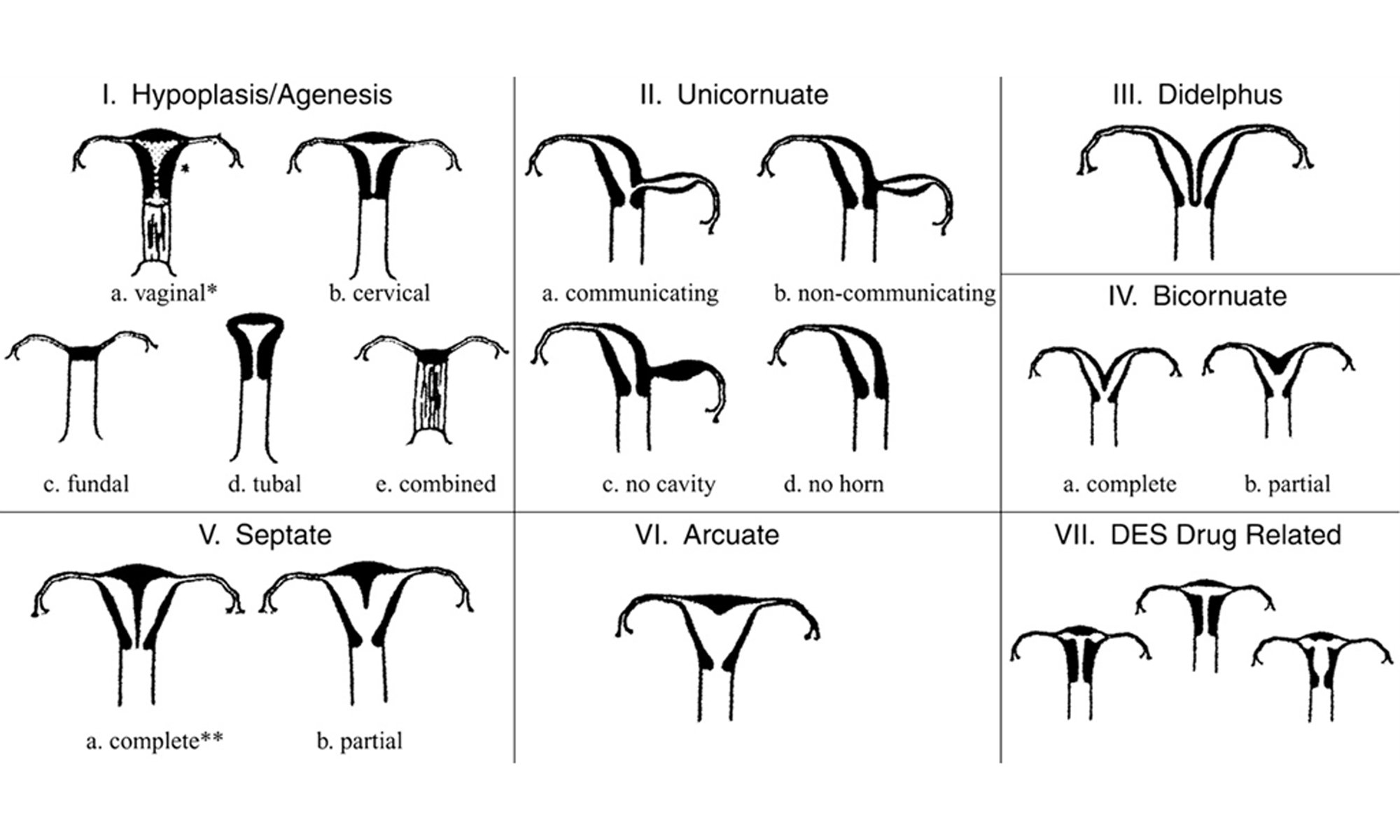
Hysteroscopic Metroplasty for the DES Drug Related Uterus

Review and meta-analysis, Journal of minimally invasive gynecology, 2013

Study Abstract

The introduction of hysteroscopy to diagnose and treat intrauterine conditions, specifically to divide the uterine septum, or metroplasty, has replaced the traditional laparotomy approach, and objective results demonstrate its salutary effects in women treated.

Hysteroscopic metroplasty averts the implications of major invasive abdominal surgery, with good and satisfactory results in pregnancy and live-birth rates, despite the lack of prospective, randomized, controlled studies.

A careful review of the published results supports this type of treatment when the uterine septum adversely affects normal reproductive function.

References

DES DIETHYLSTILBESTROL RESOURCES

DES Daughters : Metroplasty for Uterine Enlargement

Diethylstilbestrol exposure in utero. Polemics about metroplasty. The cons, 2007

Study Abstract

Uterine malformations in DES-exposed women are not the only aetiologies for infertility, miscarriages, and other problems in their reproductive life. A global screening of fertility factors of the couple may, for instance, show in them vascular uterine abnormalities which reduce their reproductive potential. Furthermore, these abnormalities are not always predictive of losses of pregnancy, and many exposed women with patent uterine abnormalities can carry a pregnancy to term.

Metroplasty for uterine enlargement is a surgical procedure suggested for restoring the size and shape of the uterine cavity. There are no comparative studies for assessing efficacy and safety of metroplasty. Therefore, metroplasty should not be performed routinely, but should only be considered after the couple has undergone a full fertility workup, and the best possible level of fertility has been achieved.

References

  • Diethylstilbestrol exposure in utero. Polemics about metroplasty. The cons, Gynécologie, obstétrique et fertilité, NCBI PubMed PMID: 17719825, 2007 Sep.
  • Featured image researchgate.
DES DIETHYLSTILBESTROL RESOURCES